 |
|||
 |
|||
 |
 |
 |
|
 |
|
 |
 |
 |
|||
 |
|||
 |
|||
 |
 |
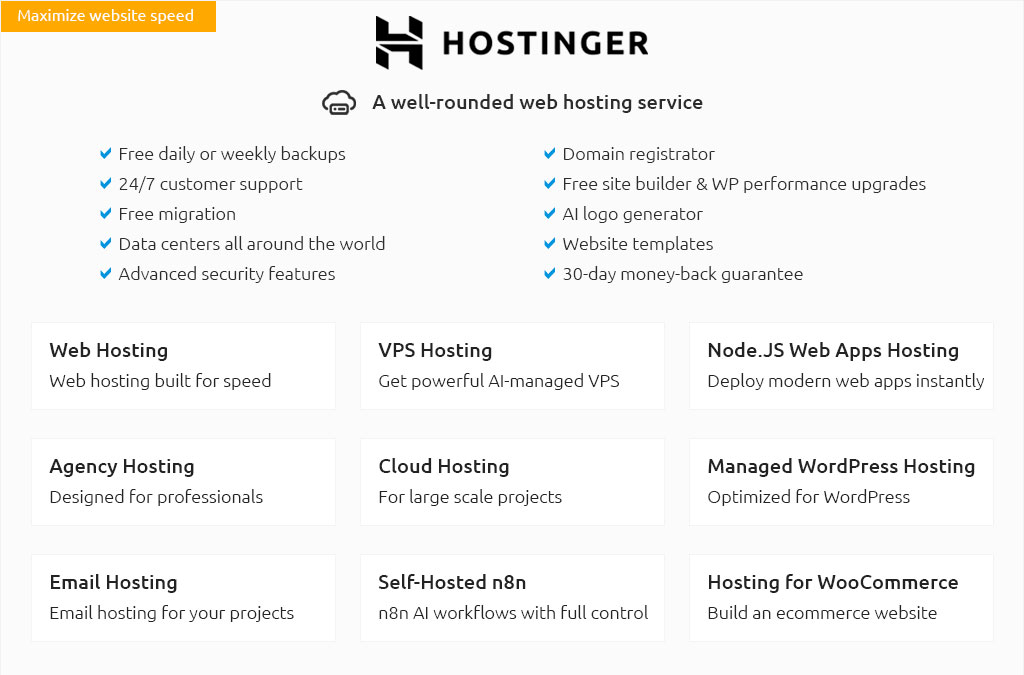
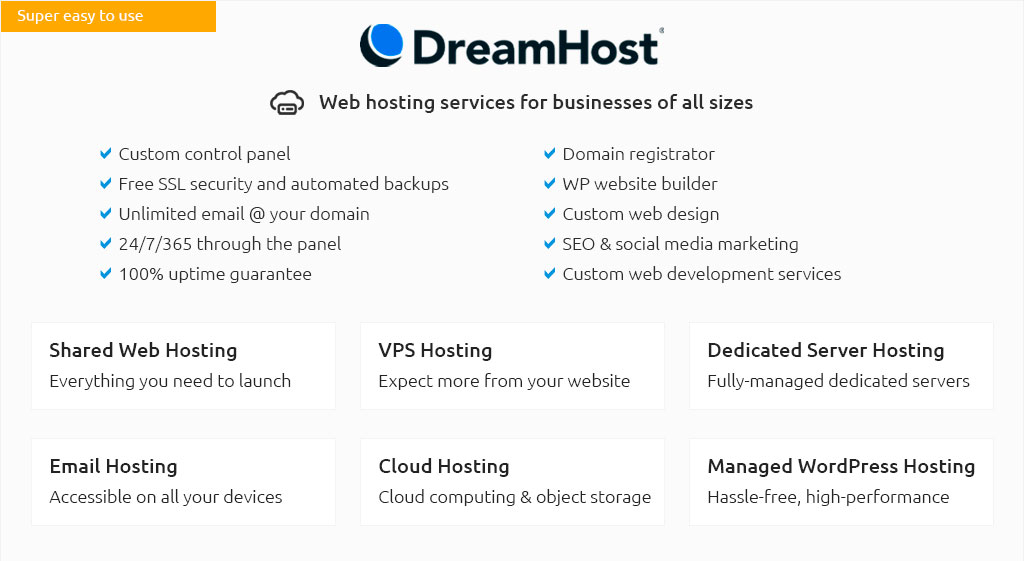
hosting companies: what they do and how to choose the right oneWhat hosting companies provideHosting providers keep websites online by running servers, networks, and security layers you do not have to manage yourself. Beyond raw space and bandwidth, they offer SSL, backups, staging, email, and CDNs. Great ones mix reliability, honest pricing, and responsive, human support that solves issues at odd hours. Key differences to considerShared plans are cheap but noisy neighbors can slow you. VPS adds isolation and control. Dedicated gives you the whole machine. Cloud scales on demand. Managed platforms, like WordPress hosting, trade flexibility for convenience, updates, and tight caching tuned for common workloads. Step-by-step selection
Favour providers with transparent dashboards, easy migrations, and clean SLAs; bonus points for renewable energy claims and clear incident reports.
|
